
CBP: Trade Facilitators or Enforcement Agents? Realities, Challenges and an Importer’s Management Response
Written by Thomas Cook, Managing Director at Blue Tiger International
As we enter 2026, we are witnessing a major change in the U.S. Customs and Border Protection (CBP)’s approach and how they manage their day-to-day responsibilities with respect to imported goods.
One might interpret from public communications, a new presidential initiative has moved forward aligning CBP enforcement officers with DHS and DOJ officials, putting them in a better position to:
- Enforce import regulations
- Catch those breaking the rules
- Implement more rapid and serious financial consequences
- Move certain investigations more aggressively, and potentially seek criminal prosecution
This should concern all parties engaged in import trade. While most importers strive to be compliant, many times responsibilities become casualties of being busy, lacking controls, or just plain sloppiness.
From what we understand, CBP will now respond more seriously to what were once considered minor import diminutive infractions, even to the extent of being pursued aggressively by CBP officers.
We have been advised that there are four primary areas that CBP is focusing on:
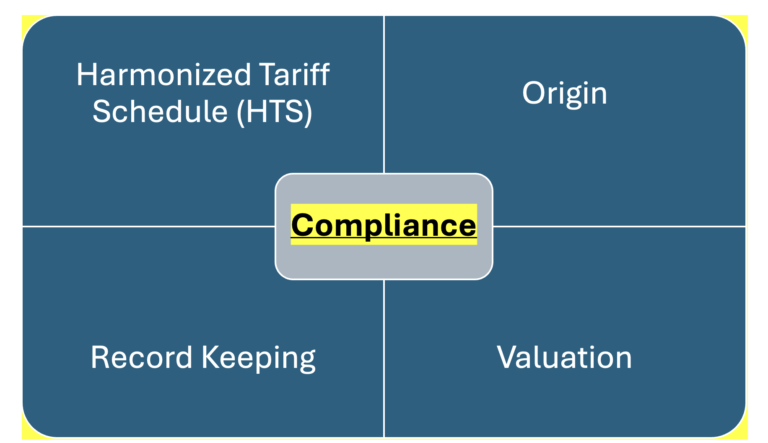
CBP has concentrated their focus on the first three areas of HTS: Origin, Record Keeping and Valuation.
The value placed on commercial invoices correctly shows the transaction value and that amount having a direct relationship to either wholesale or retail numbers. CBP scrutiny will be intensified when the transaction is between “related parties.”
CBP wants to make sure that the correct HTS number is being utilized, so the correct duty obligation is met.
CBP also wants to ensure that the correct origin of the goods is identified. They become concerned with re-routing freight through other countries that might have a more favorable duty rate.
All three of these areas of concern (HTS, Origin, and Value) are where fraud is committed most often. We also should keep in mind that CBP is still focused on “forced labor” concerns globally.
Keep in mind that CBP utilizes technology, and more importantly AI, to track importers’ history and activity, thereby making it capable of spotting errors in documentation that can cause significant pain at a later date.
The record keeping of all relevant information for at least five years, in good order and readily available, is a critical aspect of import trade compliance management.
Additionally, the concept of “substantial transformation” is now being challenged by CBP, with requests to show a bill of materials, thus opening the door for origin challenges when parts and components originate in another country other than where assembly took place, or in the application of IEPPA-related additional duties on components made from steel, aluminum or copper.
In the face of all these challenges and risks, import managers can mitigate turmoil by following responsible operating guidelines in their import supply chain.
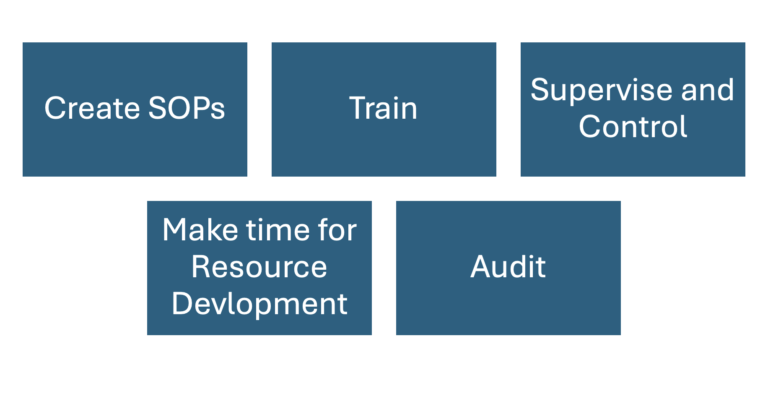
Creating SOPs is the first step in assuring compliance with all import regulations. Adapt these regulations to the nuances of your import supply chain.
All stakeholders in the import supply chain need to be trained in trade compliance, including logistics, supply chain and all import responsibilities.
Many importers will outsource their transactional responsibilities to third party Customhouse Brokers. You need to make sure they are capable, knowledgeable and experienced … all to your benefit.
However capable they may be, you must supervise and control their activity as CBP will hold you accountable as the importer of record.
Do not assume that everything is going well even if no one is complaining. Check, re-check and check again. We learn this practice in every day business and it is relevant in everyday import operations. Set up systems and capabilities either to self-audit or bring in a third party for support.
We also vigorously support joining the Customs Trade Partnership Against Terrorism (CTPAT) Program or meeting with a local CBP Port Director, evidencing your supply chain’s profile in trade compliance and security.
Closing Remarks
CBP is becoming increasingly more aggressive in its pursuit of irresponsible importers..
Take your import responsibilities seriously, work on the five steps diligently, and your import program will have the best chance to be on the right side of the law and avoid likely headaches.
Be diligent, prudent, and create a responsible management structure to achieve successful import operations.
AAEI provides members expert-led training and member resources needed to stay ahead of evolving export controls—ensuring your compliance program remains resilient no matter how quickly global requirements shift. Learn more about membership today!